Frame the bet.
Name the change, the audience, the outcome, and why you expect it to work. Decide what would prove you wrong.

The future belongs to better decision-makers.
Hypothesis-driven development is how you become one.
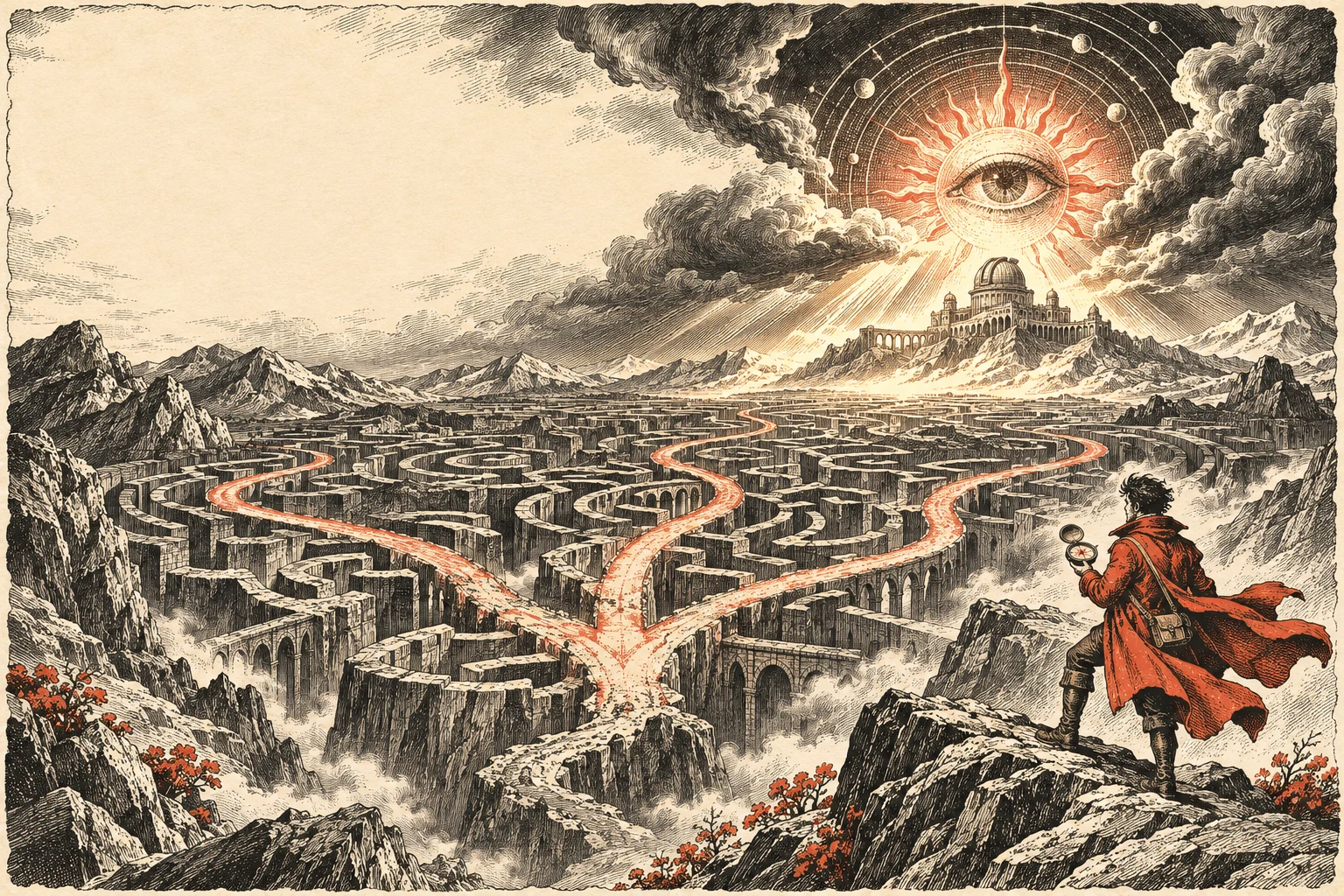
More features. More speed. More possibilities. But which one actually helps your users?
People will want this. They’ll know how to use it. They’ll come back. They’ll pay for it.
Hypothesis-driven development turns those beliefs into small, measurable bets. You make a prediction, build enough to test it, and let real behavior inform what happens next.
It’s a way of managing a product that makes learning part of the work — from your first user to your next stage of growth.
Get to know HDD ↗
When everyone has the power to ship, the advantage moves to judgment. What to build. Who it helps. Whether it worked. What to do next.
Read the manifesto ↗Four moves that turn uncertainty into direction. Repeat for as long as your product exists.
Name the change, the audience, the outcome, and why you expect it to work. Decide what would prove you wrong.
Ship the smallest useful change that tests the idea. Put it in real hands, with measurement in place.
Watch what people actually do. Compare the outcome to your prediction, including what surprised you.
Scale it, change it, or stop it. Record the learning and let it shape your next bet. Then go again.
A good bet tells you what you’ll change, who it’s for, and how you’ll know whether it worked.
Try it with your product ↗Illustrative examples, not reported client results.

A busy backlog isn’t a growing business. Connect the work to a change that matters to your users and your bottom line.
Being wrong early is useful. Protect the freedom to question the plan, especially when it was your idea.
Hold on to the vision. Stay flexible about the route. The roadmap should change when the evidence does.
Want a team to turn the framework into a weekly rhythm?
Talk to Designli ↗